Ports, Shipyards & Marine Services
Quality, environmental and safety management for the shore side of the maritime industry.
Ports, terminals, shipyards, repair yards, marine service companies and maritime training organizations all depend on consistent work and satisfied customers. We help shore-side maritime businesses build quality management systems to ISO 9001 and environmental management systems to ISO 14001, and meet sector requirements such as the International Ship and Port Facility Security (ISPS) Code and the STCW Convention's quality standards for seafarer training.
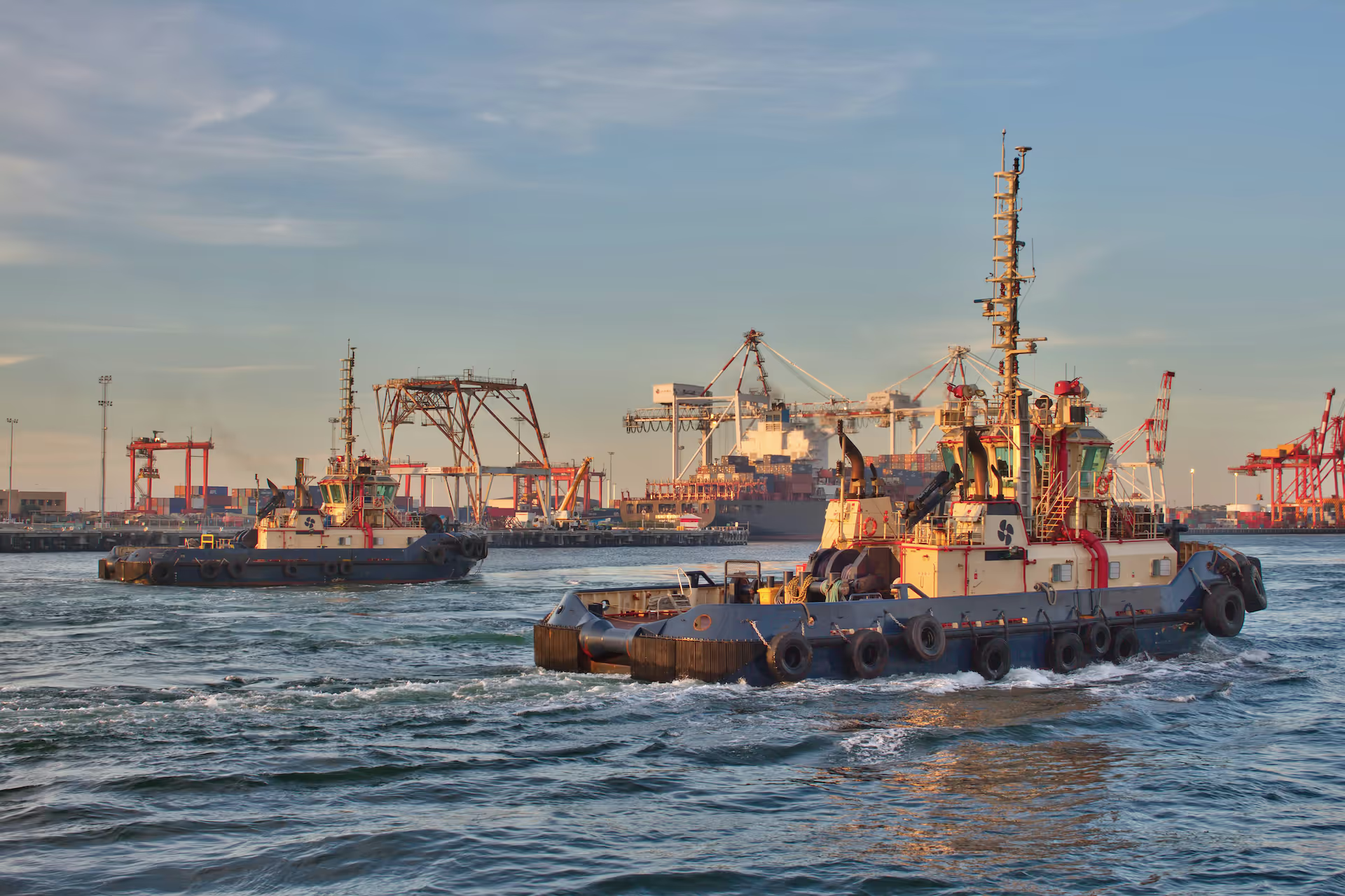

Challenges shore-side businesses face
Customers expect on-time, right-first-time work, and many contracts now require ISO certification. Rising environmental expectations and regulatory audits add to the load. These are the challenges we help shore-side businesses meet.
Right-First-Time Work
Customers expect work delivered on time and done right, without rework or complaints.
ISO Certification for Contracts
Many contracts now require ISO 9001 or ISO 14001 certification before you can bid.
Environmental Expectations
Customers and regulators increasingly expect documented, working environmental management on the shore side too.
Audit & Inspection Readiness
Being prepared for inspections means having practical systems, organized documentation, and processes that demonstrate compliance with confidence.
Documentation Management
Maintaining current manuals, records, and controlled documents supports compliance while making critical information readily available to crews.
Regulatory Compliance
Keeping pace with evolving maritime regulations requires ongoing attention to documentation, procedures, and operational practices.

We build systems that work for your operation
A safety management system is more than documentation. It's the backbone of how your crew operates, how decisions get made, and how you protect people and assets. We design and implement SMS frameworks tailored to your vessel type, operational scope, and regulatory environment.
Quality that wins contracts
A well-run quality system does more than pass audits. It reduces rework and complaints, and gives customers the confidence to award you the next contract. Our ISO 9001 and ISO 14001 lead auditor experience helps you get there.

Have Questions?
Straight answers to the questions we hear from our clients every day...
No. "Safety Management Manual" (often shortened to SMM) is the term the International Safety Management (ISM) Code, section 11.3, uses for the documentation that describes and implements a company's Safety Management System (SMS). The International Association of Classification Societies (IACS) uses the same definition in its Recommendation No. 41. In practice, your Safety Management Manual is all of that documentation together: policies, procedures, forms, instructions and records. The ISM Code leaves the format to the company, so it can be digital, paper or both, and stored wherever works best, as long as each ship carries the documentation relevant to it. We help operators organize their Safety Management Manual so crews can find what they need quickly, often with a well-structured digital system.
We gather evidence, interview the people involved, and apply structured root-cause analysis to find out why the accident or occurrence happened, not just what happened. Our team's background includes regulatory and investigative roles. You get findings and corrective actions that strengthen your Safety Management System (SMS) and hold up to outside scrutiny.
Yes. We scale the system to the operation. A two-vessel fishing company doesn't need the same volume of documentation as a cruise line. What matters is that your procedures fit how your vessels actually work. Our team has worked across fishing, passenger, cargo, offshore and port operations.
Yes, and for most operators it's the better approach. One integrated system means one set of procedures, one audit schedule and less duplication for crews. We design integrated systems that meet International Safety Management (ISM) Code, ISO 9001 and ISO 14001 requirements without burying your people in paperwork.
We compare your current documents and day-to-day practice against the requirements that apply to you: the International Safety Management (ISM) Code, ISO 9001, ISO 14001, domestic regulations or your own procedures. You get a clear report of findings ranked by risk and a practical action plan. Many clients use it to prepare for external audits or Port State Control inspections.
The Designated Person Ashore (DPA) is the direct link between your vessels and top management. They monitor how the Safety Management System (SMS) is working and make sure safety concerns get resources. Smaller operators often outsource the role. Mor Ocean's team has served as DPA and can take on the role on retainer, or train and support an in-house DPA.
Most operators go from gap analysis to a certification audit in about 3–9 months. The time depends on the jurisdiction, how prepared you are, and the resources you can commit. The requirements may come from the International Safety Management (ISM) Code, from a flag state's domestic Safety Management System (SMS) regulations, or from the ISO 9001 (quality) and ISO 14001 (environmental) standards. We start by identifying which regimes apply to your vessels, then run a gap analysis so you know exactly what's missing before the auditor arrives.
A Safety Management System (SMS) is the documented way your company manages safety: policies, procedures, responsibilities, reporting, audits and continual improvement. Ships trading internationally need one under the International Safety Management (ISM) Code, and many operators need one under domestic flag-state regulations or client contracts. Even when it isn't mandatory, a practical SMS lowers risk and makes inspections easier. We'll help you work out what applies to your fleet.
Ready to strengthen your operation's safety and quality?